Lighting the Way Forward
Adolescence is an exciting time of life. It is time when you are taking your first steps into independent adulthood. You may be getting a driver’s license and experiencing the freedom that comes with it. You may be looking for a summer or part-time job (to pay for new expenses like car maintenance), and you are likely looking for ways to be away from your parents and family—whom you still love deeply—to figure out who you are, and who you want to be.
For youth with visual disabilities, these experiences can be harder to come by. For many, driving is not an option, or at least not a realistic one at this point. Employers are often reluctant to hire youth with disabilities because of the (generally unfounded) perception of the accommodations they may require, and parents, having spent years looking out for their children in a world not built for them, feel less willing to let go of the reins.
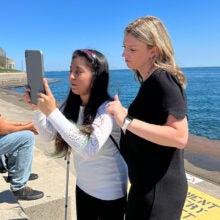
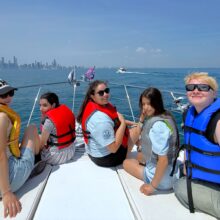
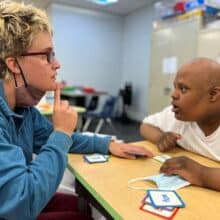
That is why The Chicago Lighthouse’s Youth Transition Program is so vital for young adults who are blind or visually impaired. Over its nearly 10 years of existence, the Youth Transition Program has helped hundreds of adolescents and young adults have the same opportunities to grow, experience a bit more independence than they may be used to, and begin to discover who they want to be as adults.

The program does this by giving participants the tools they need to succeed, and the space available to fail. “Preparing for life means preparing to risk failure and use your resources,” says Lighthouse Senior Vice President of Education Jordan Owens.
“Preparing for life means preparing to risk failure and use your resources.”
—Jordan Owens, Senior Vice President of Educational Services
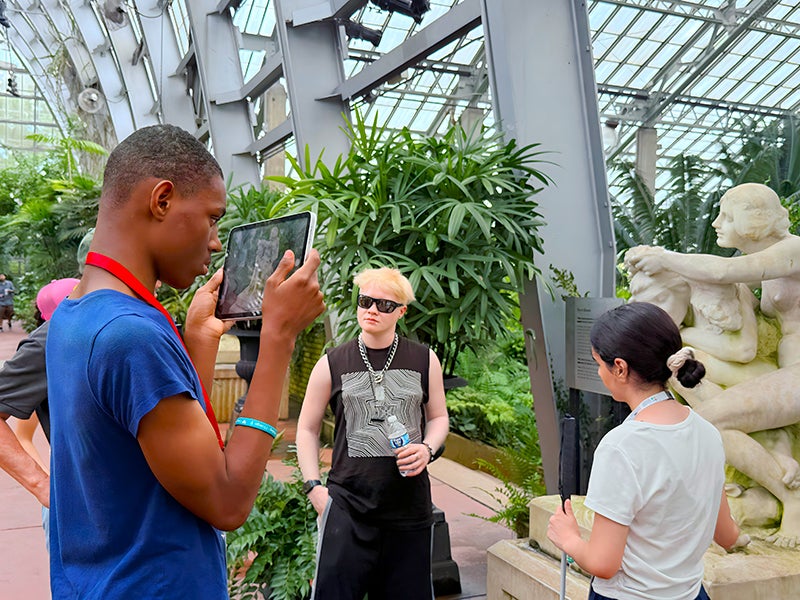
Those opportunities are all in the name of building participants’ confidence and self-advocacy skills. In the program’s First Jobs component, where youth gain work experience through six-week paid internships, job coaching support slowly tapers off over the program’s course, giving participants more opportunities to ask questions, solve problems on their own and advocate for themselves. Similarly, Photography for All participants, who explored creative self-expression through accessible digital photography, were each tasked with leading the group on different days to boost their confidence.
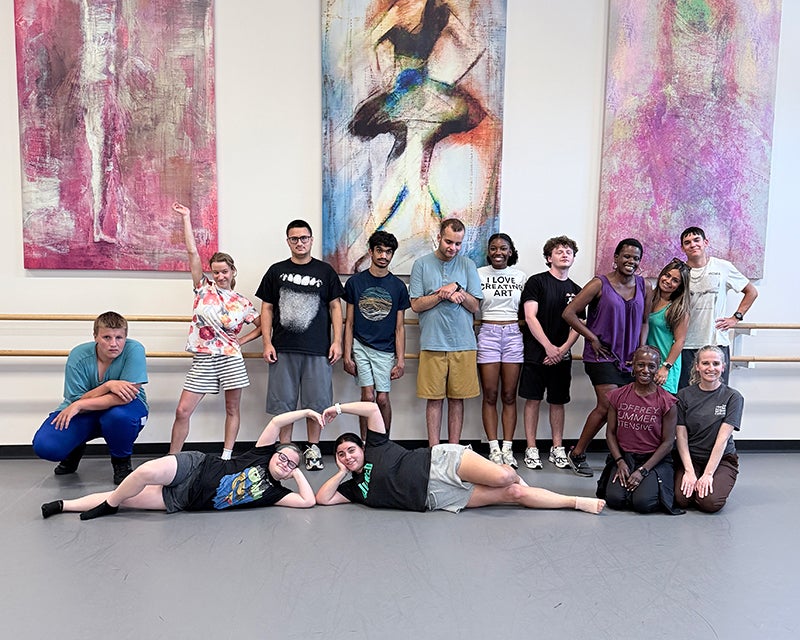
We know the program is effective because we ask the participants to evaluate their confidence in performing certain tasks, like navigating independently or advocating for themselves, before and after the program. In every case, the survey results show a significant increase in their confidence. Just as importantly, we hear the same from the youths’ parents and teachers.
“Lance has definitely grown more confident after participating in The Lighthouse’s Youth Transition Program,” says Anquil, a parent of one of our former youth participants. “He’s more confident in his classes and with his teachers, and he has definitely been more positive about his future.”